




Best Earbud Translation: Top Earbuds for Real-Time Conversation Translation
In an increasingly interconnected world, the ability to communicate across language divides is no longer a luxury but a necessity. Whether you are navigating a bustling foreign market, collaborating with international colleagues, or simply trying to connect with someone from a different culture, language can often be the final frontier. Traditional translation apps on smartphones have been helpful, but they often disrupt the natural flow of conversation, requiring you to hand over your device or constantly look at a screen. The evolution of wearable technology has ushered in a more elegant solution: translation earbuds. These sophisticated devices promise real-time, conversational translation directly in your ear, aiming to make cross-lingual communication as natural as speaking to someone in your native tongue. This article explores the cutting-edge world of real-time translation earbuds, examining the technology behind them, key features to consider, and ultimately guiding you to find the best earbud translation device for your needs.
How Do Translation Earbuds Work?
The magic of translation earbuds lies in a complex symphony of hardware and software. At their core, these devices are high-quality wireless earbuds equipped with advanced microphones. When you engage in a conversation, these microphones capture the speaker's voice with high clarity. This audio is then processed, either directly on the earbud itself if it has sufficient onboard computing power, or more commonly, streamed via Bluetooth to a paired smartphone. The smartphone acts as a powerful hub, running dedicated translation software that leverages cloud-based artificial intelligence and neural machine translation.
The AI transcribes the speech, translates it into the target language almost instantaneously, and then sends the translated audio back to the earbuds, which play it directly into your ear. For a two-way conversation, each participant typically wears an earbud. One speaks in their language, the translation is processed and delivered to the other listener's ear, and the process reverses. The goal is to minimize latency to the point where the conversation feels fluid and uninterrupted, a significant leap from the stop-start method of using a phone app.
Key Features to Look for in Translation Earbuds
When searching for the best earbud translation experience, several critical factors extend beyond basic audio quality.
- Translation Accuracy and Language Support: The most crucial metric is the accuracy of the translation. Look for earbuds that partner with renowned translation engines (like Google Translate, Microsoft Translator, or iFLYTEK) and utilize AI that understands context and colloquialisms. The number of supported languages is also vital; some devices support 20-40 core languages, while others boast over 100, including offline capabilities for a subset.
- Latency and Conversation Flow: The delay between spoken word and translated playback must be minimal. High latency creates awkward pauses and breaks the natural rhythm of dialogue. The best translation earbuds prioritize processing speed to enable a near-real-time conversational flow.
- Audio Quality and Microphone Performance: Clear playback is essential for understanding the translation, but equally important is the microphone's ability to isolate the speaker's voice from background noise. Effective noise-cancellation or beamforming microphones are key features in noisy environments like airports or conferences.
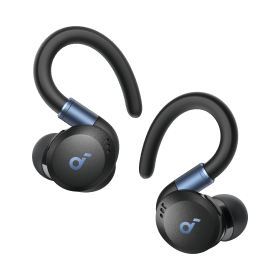
- Design and Battery Life: Since these are meant for all-day use during travel or work, comfort and battery longevity are non-negotiable. Consider ergonomic designs, secure fits, and total playtime (including case charges). For situational awareness, some users may prefer Open Ear Earbuds that allow ambient sound to pass through, which can be safer and more social in many settings.
- Connectivity and Ease of Use: A stable Bluetooth connection is fundamental. The companion app should be intuitive, allowing easy language selection and mode switching. Some advanced models now incorporate voice-activated AI assistants for hands-free control.
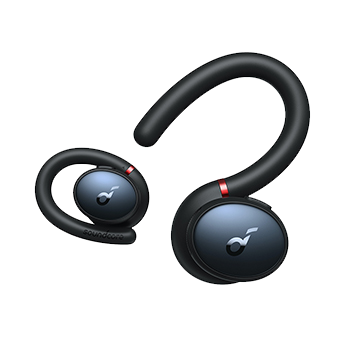
Top Contender: soundcore Aerofit 2 AI Assistant Translate Earbuds
Among the current generation of translation wearables, the soundcore Aerofit 2 AI Assistant Translate Earbuds present a compelling package that addresses many of the key features sought by global communicators.
This model is engineered not just for translation, but for a holistic, comfortable, and intelligent audio experience. Its Pressure-Free Fit for Every Ear is achieved through a double-curved surface and innovative 4-level adjustable ear hooks, designed to suit over 99% of ear shapes without causing fatigue during prolonged use. This makes them ideal for long flights or multi-day business trips.
Their flagship feature is Free AI Translation: Supports real-time translation with high accuracy in 100 languages globally. This extensive library ensures you are prepared for virtually any destination or interaction, from a tropical vacation to a global summit. The translation functionality is seamlessly integrated, aiming to keep you in the loop effortlessly.
Beyond translation, these earbuds feature a Voice Control AI Assistant for Instant Help. By saying "Hey Anka," users can access instant support for tasks, questions, or controls without touching their phone, promoting effortless productivity. For audio enthusiasts, the earbuds deliver Vibrant Bass powered by large racetrack drivers and BassTurbo acoustics, supported by Bluetooth 5.4 and LDAC codec for high-resolution audio.
Convenience is further enhanced with Wireless Recharge, Long Playtime. The case supports wireless charging, and the system offers up to 8.5 hours of playback on a single charge, extending to 35 hours with the case. For those prioritizing awareness, the open-ear design philosophy aligns with models that keep you attuned to your surroundings. You can explore more about this design approach in our guide to Open Ear Earbuds.

Comparing the Landscape: What Makes the Best?
The market for translation earbuds includes several notable players, each with strengths. Some focus on deep integration with a specific smartphone ecosystem, while others, like the soundcore Aerofit 2 AI, offer platform-agnostic functionality with a strong emphasis on standalone features like multi-language support and AI assistance. The best earbud translation device for you will depend on your primary use case, desired language coverage, need for offline modes, and preference for design—whether it's a fully in-ear seal for noise isolation or an open-ear design for ambient awareness.
It is advisable to read in-depth reviews and comparisons, such as our curated list of the best translation earbuds, to see how different models stack up in head-to-head tests for accuracy, speed, and usability.
Conclusion
Real-time translation earbuds represent a significant step toward a world without language barriers. They move translation from a disruptive, screen-based task into a seamless, auditory experience that preserves eye contact and the natural cadence of human interaction. While the technology continues to evolve, current models already offer remarkable utility for travelers, business professionals, and curious minds alike. When selecting a pair, prioritize translation accuracy, low latency, comfort for extended wear, and battery life. Devices like the soundcore Aerofit 2 AI Assistant Translate Earbuds exemplify how this technology is being packaged with user-centric design, high-quality audio, and intelligent features to create a truly versatile tool for the global citizen. Investing in the right pair can transform your international experiences, fostering deeper connections and smoother interactions wherever your journey takes you.
Frequently Asked Questions (FAQs)
How accurate are real-time translations with these earbuds?
Accuracy has improved dramatically with AI and neural machine translation, often reaching very high levels for common languages in clear conversational contexts. However, accuracy can vary with complex sentences, heavy accents, specialized jargon, or very noisy environments. They are excellent for everyday conversations, travel, and basic business communication but may not be suitable for highly technical or legal translations without verification.
Do I need an internet connection for the translation to work?
This depends on the model. Most earbuds rely on a cloud-based translation engine via a connected smartphone, requiring a stable mobile data or Wi-Fi connection. A growing number of premium models offer offline translation for a select number of core languages (often 10-20), which is invaluable when traveling to areas with poor connectivity.
Can both people in a conversation use just one pair of earbuds?
Typically, no. For a fluid, two-way translated conversation, each participant usually needs to wear one earbud from the same pair or have their own compatible device. The system is designed so that each person speaks into their own microphone and hears the translation in their own ear. Some apps allow a "speaker mode" where one phone listens and translates aloud for a group, but this is less personal and more prone to ambient noise interference.


